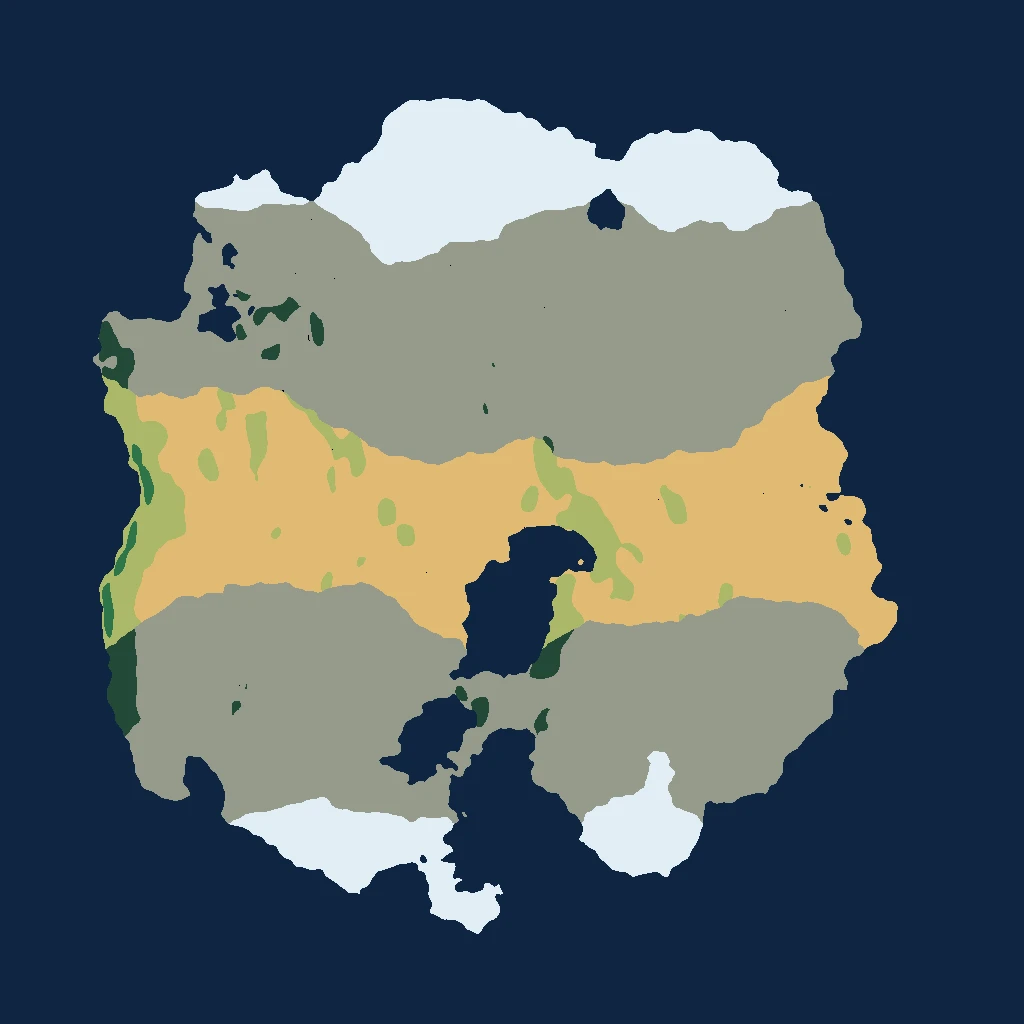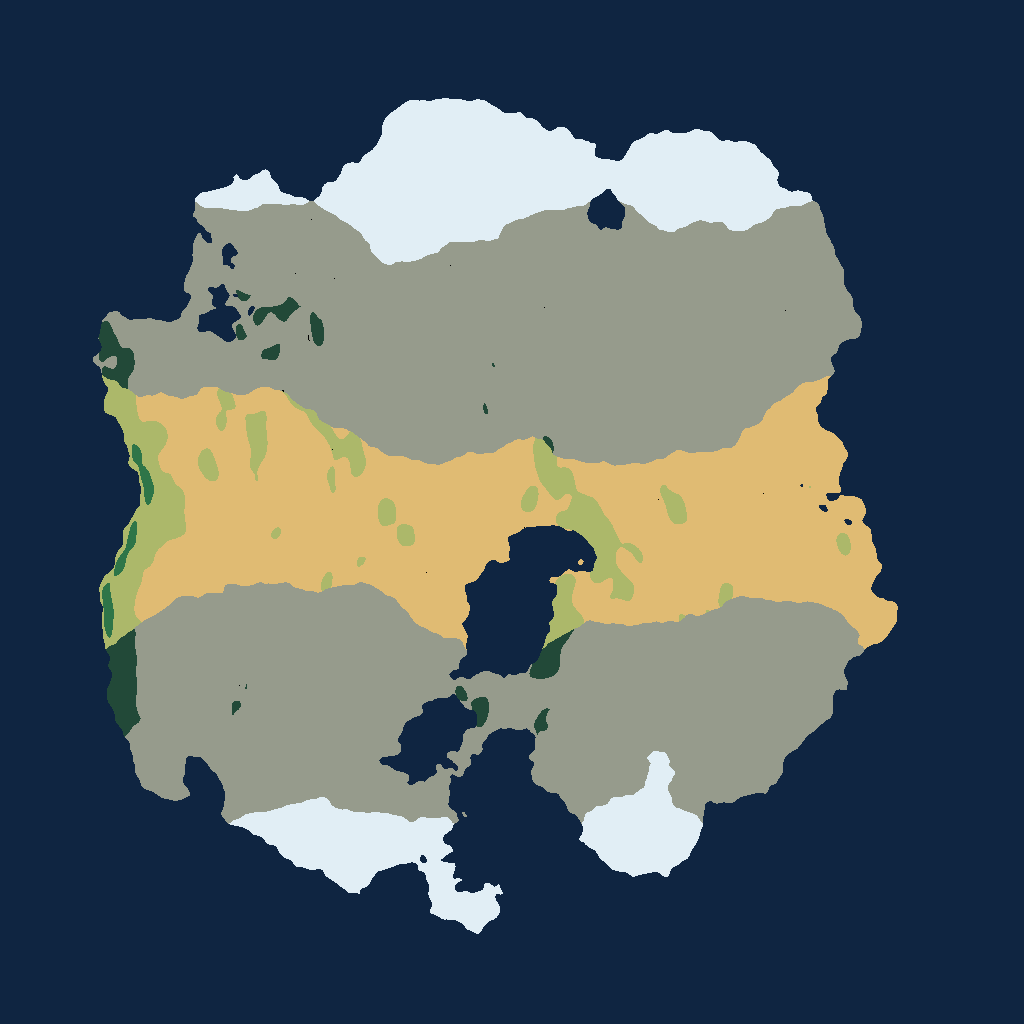
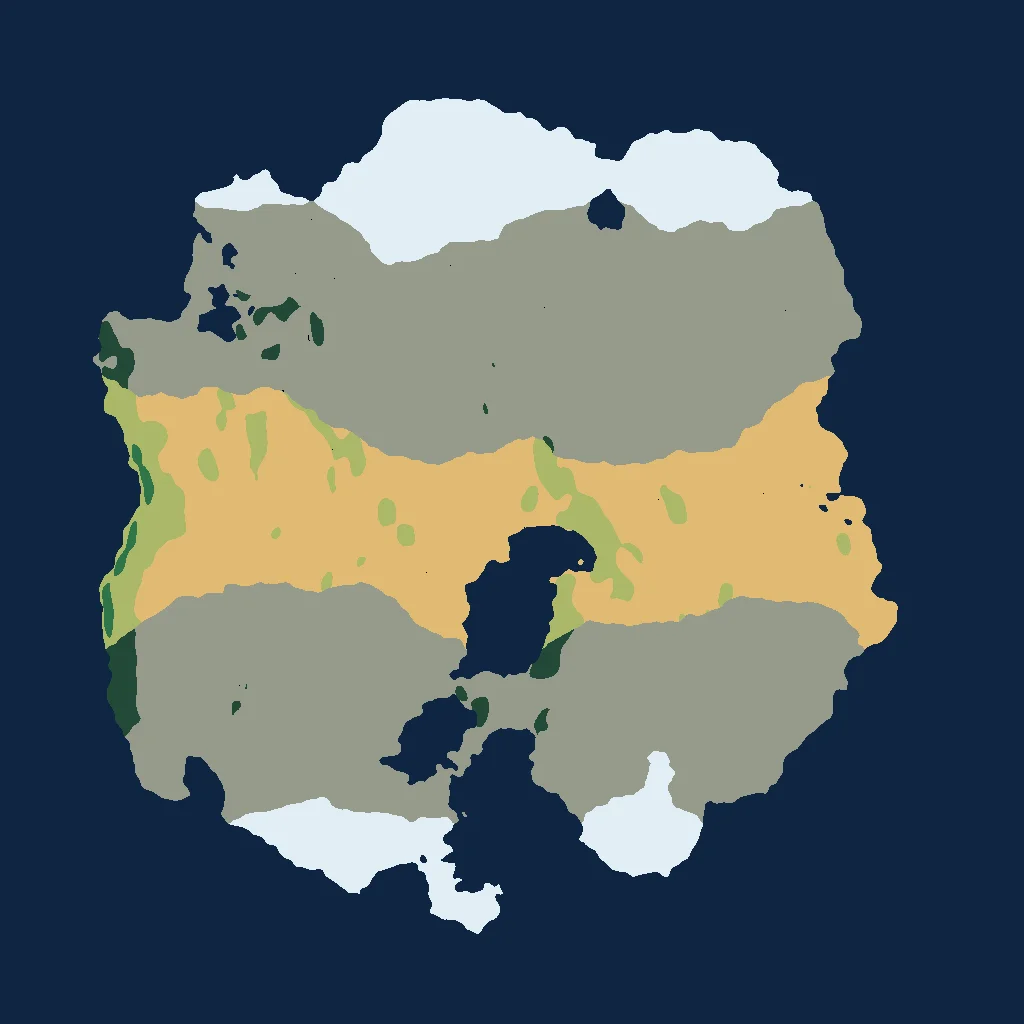
Live Research Feed: Node-01 "Infinite Scarcity" series active
Processing Step 05Tick: 3,421,984
Genesis Research Platform
Engine v9.2
Artificial Life Simulator
Reproducibility · Deterministic RNG · Open Archive

Artificial Life Research Platform

GENESIS

Understanding emergent intelligence through reproducible computational civilizations.

Engine v9.2.0Core Simulator
9 BiomesWhittaker Matrix
14 GenesGenotype Array
RNG Seeded100% Deterministic
Scroll to Explore

I · Premise

§ 01

We study emergence by simulating civilizations.

Genesis is a high-resolution artificial life simulator. Each run begins with a single integer seed - 18 agents, a procedurally generated world with biomes, hydrology, and resource belts - and unfolds under evolutionary pressure across millions of computational ticks.

Every simulation is fully reproducible from its seed alone. Every genome mutation, colony birth, territorial dispute, and population collapse is a logged, citable event.

II · Pipeline

§ 02

How a simulation run is born.

Seven deterministic layers. Given the same integer seed, every world, every agent, every event is reproduced identically - on any machine, at any time.

  1. STEP 01

    Seed Integer

    A single integer encodes the entire universe: world topology, climate epoch, resource distribution, and initial agent positions. Two identical seeds produce two identical worlds.

  2. STEP 02

    World Generator

    A 2D NumPy grid is instantiated - elevation via Perlin noise, temperature and rainfall via wind advection with sea-level clamping, Priority-Flood hydrology for river basins. Nine biomes are mapped via the Whittaker matrix.

  3. STEP 03

    Genetic Substrate

    Each agent is born with a 14-gene genotype encoding fat reserves, muscle mass, aggression threshold, reproduction drive, and cognitive parameters. Mutations drift at a configurable rate per generation.

  4. STEP 04

    Cognitive Planner

    A sigmoid utility selector evaluates hunger, thirst, comfort, and safety drives at each tick. Agents pathfind, cache resources, shelter, and build episodic spatial memory of landmarks and rivals.

  5. STEP 05

    Ecology & Disputes

    Combat enters a threat-display phase before damage is exchanged. Territorial safe-zones, confidence-based retreat, and winner/loser memory shape inter-agent dynamics. Scarcity multipliers stress-test cooperation vs conflict.

  6. STEP 06

    Event Chronicle

    Every birth, death, dispute, shelter build, and colony formation is logged as a structured event. The archive portal translates these raw logs into a readable experiment history.

  7. STEP 07

    Research Package

    At completion, the run is packaged as a ZIP containing config.json, summary.json, 8 environment map PNGs, and event CSVs - a fully reproducible, self-contained research artifact.

IV · Archive

§ 04

Simulation Run Archive

No experiments published yet. Run a simulation and publish it from the control console.

Archive is empty.

Publish your first simulation run from the control console.

V · Research Artifacts

§ 05

What each experiment produces.

Every Genesis run generates seven classes of research artifact - from visual environment maps to raw numeric distributions. Select an artifact below to view its schema layout and details.

World Atlas

8 procedurally generated dynamic map layers mapping cellular topology, Whittaker biomes, fluid advection variables, and agent heat distributions.

JSON Spec Schema
{
  "layer": "world_substrate",
  "resolution": "1024x1024",
  "layers": [
    "biomes_whittaker",
    "elevation_perlin",
    "temperature_advection",
    "rainfall_transpiration",
    "river_drainage_sink",
    "habitability_composite",
    "trade_routes_friction",
    "population_heatmap"
  ]
}
Data Class: WORLD ATLAS

VI · Simulation Lifecycle

§ 06

How a run progresses.

Every Genesis simulation follows the same deterministic pipeline - from world instantiation to experiment packaging. The same sequence, reproducible from any seed.

Tick 0

World generated

9 biomes, rivers, resources

Tick 1

Agents spawned

18 agents at habitability peaks

Tick ~100

Territories claimed

Safe-zone radii from genotype

Tick ~500

Disputes begin

Threat-display combat phase

Tick ~1000

Gen 1 born

Genetic drift begins

Final Tick

Package archived

ZIP + 8 maps + CSVs

VII · Open Questions

§ 07

What we are still trying to understand.

Genesis was built to make these questions empirically testable through reproducible simulation. Select any question to inspect telemetry indicators and validation markers.

VIII · Philosophy

§ 08

"Computational simulation is the only laboratory we have to study macro-sociological and evolutionary outcomes that are otherwise impossible to observe in real-time. Genesis treats simulations as histories first - and data as evidence second."

WHY_GENESIS.md · Core Philosophy

IX · About

§ 09

A simulation engine, in the shape of a research platform.

Project Genesis is an open artificial life research system. The simulation engine models genetics, physiology, innate reflexes, emotion systems, cognitive planning, and episodic memory in autonomous agents navigating dynamic procedurally-generated worlds. We built Genesis because evolutionary history is a single path, but to understand why it took that path, we must observe the millions of histories that could have been.

Engine Version

v9.2.0

Biomes

9 (Whittaker Matrix)

Agent Genotype

14 Genes

Map Layers per Run

8

Ingestion Validator

4-Tier Zod

Archive Format

ZIP + Supabase

Explore the Archive

Browse complete simulation timelines, analyze genetic drift vectors, and download raw telemetry datasets.